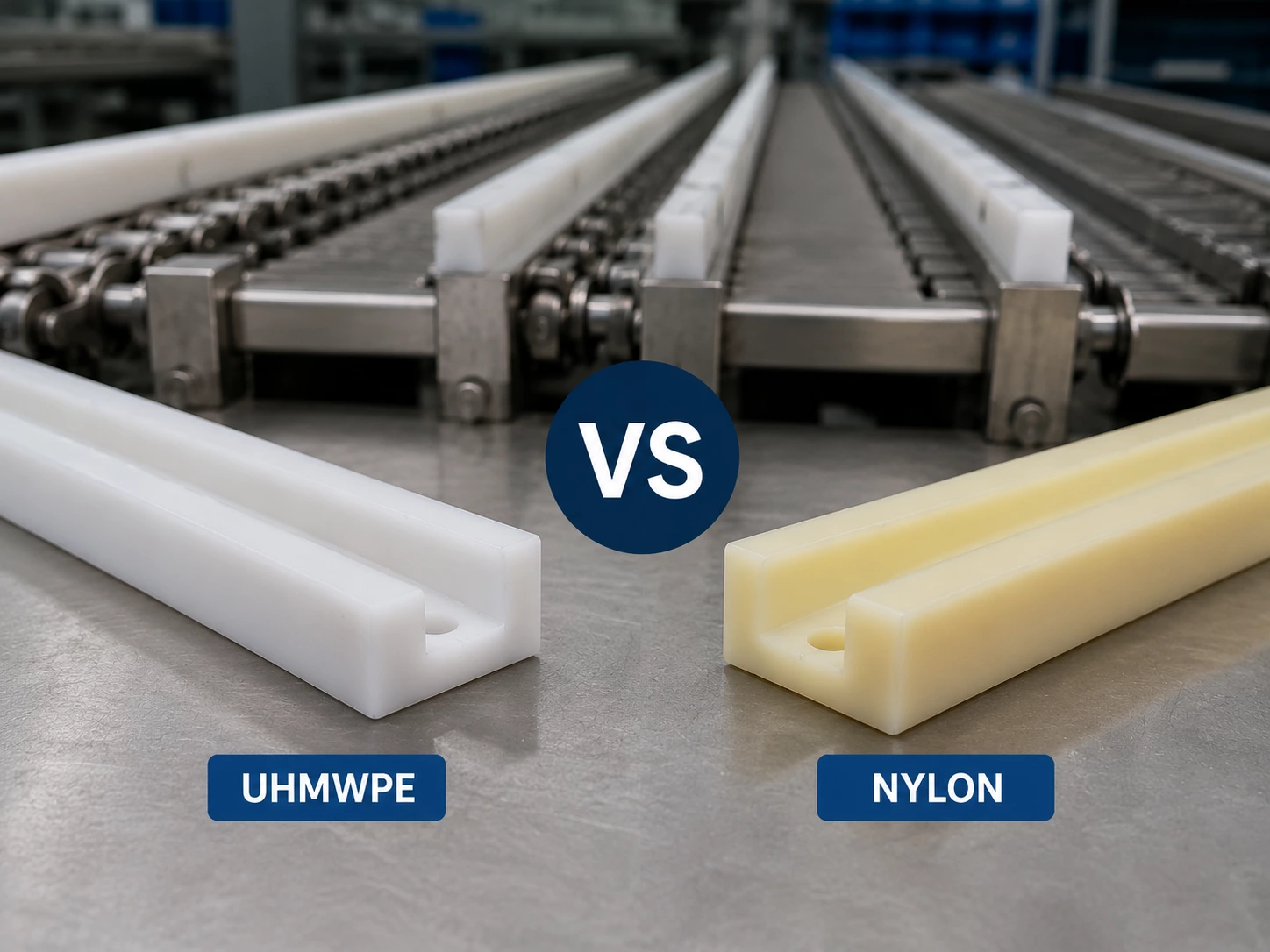
How to Choose the Right UHMWPE Wear Strip for Your Conveyor?
Conveyor systems are the backbone of modern manufacturing, packaging, food processing, beverage production, logistics, and material handling operations. While motors, chains, and belts often receive the most attention, one critical component that directly impacts conveyor performance and maintenance costs is the wear strip.
Choosing the right UHMWPE wear strip can significantly improve conveyor efficiency, reduce downtime, extend equipment life, and lower maintenance expenses. However, with various profiles, dimensions, and material grades available, selecting the most suitable wear strip can be challenging.
This guide explains the key factors to consider when choosing a UHMWPE wear strip for your conveyor system.
What Is a UHMWPE Wear Strip?
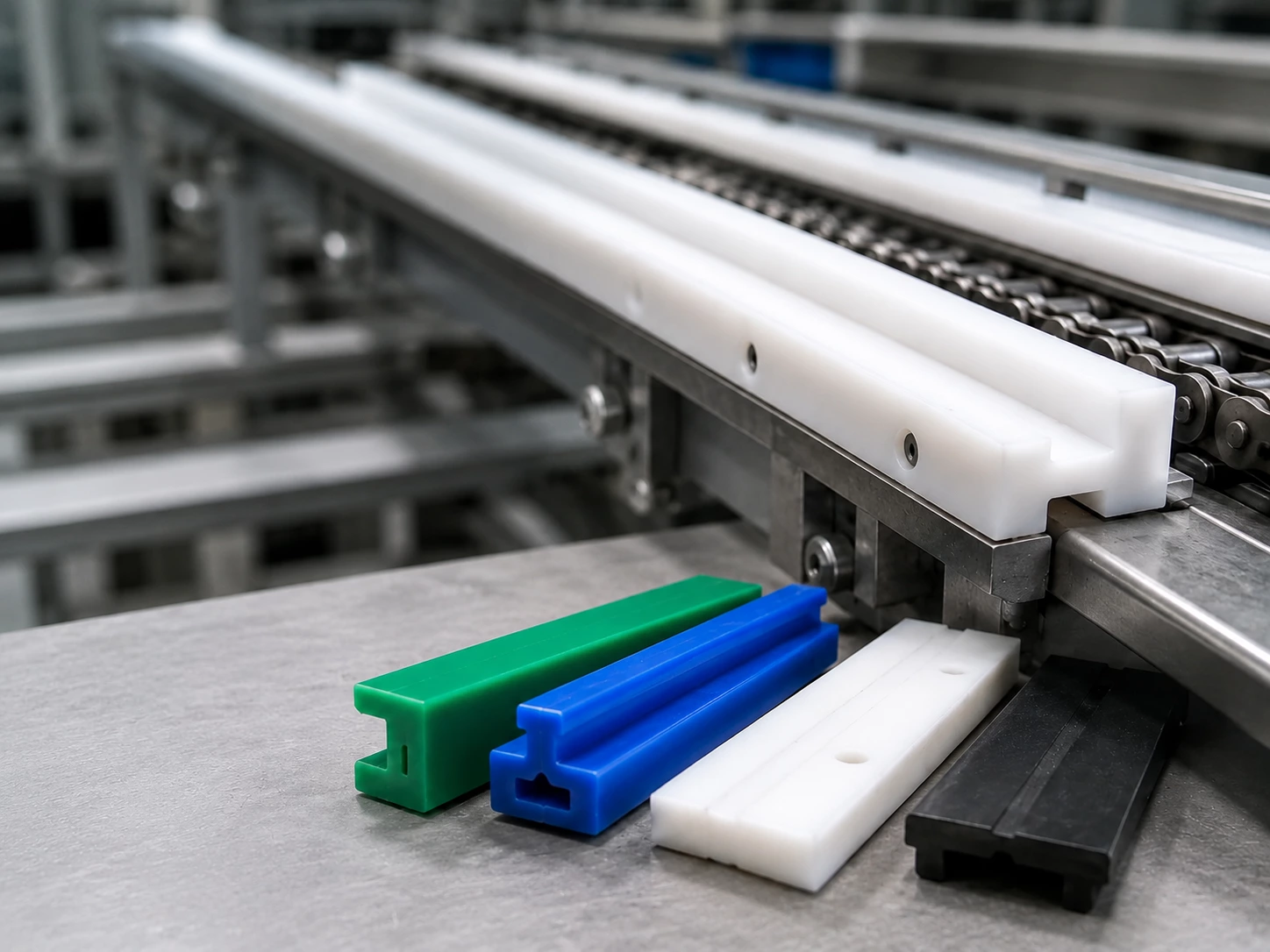
A UHMWPE (Ultra High Molecular Weight Polyethylene) wear strip is a low-friction, highly wear-resistant plastic component installed along conveyor tracks or guide rails. Its primary function is to provide a smooth sliding surface for conveyor chains, belts, or products while minimizing friction and wear.
Compared with traditional metal guide surfaces, UHMWPE wear strips offer several advantages:
Excellent wear resistance
Low coefficient of friction
High impact strength
Noise reduction
Corrosion resistance
Self-lubricating properties
Long service life
These characteristics make UHMWPE wear strips a preferred solution in demanding conveyor applications.
Understand Your Conveyor Type
Before selecting a wear strip, it is important to evaluate the conveyor system itself.
Different conveyor designs require different wear strip profiles. Common applications include:
Tabletop chain conveyors
Slat chain conveyors
Roller conveyors
Packaging conveyors
Beverage bottling conveyors
Food processing conveyors
Material handling systems
The conveyor chain type, chain width, conveyor speed, and operating environment all influence wear strip selection.
A wear strip that performs well in a bottling plant may not be suitable for a heavy-duty material handling system.
Consider Load and Operating Conditions
One of the most important factors is the load carried by the conveyor.
Higher loads generate greater contact pressure between the chain and the wear strip. In such applications, selecting a high-quality virgin UHMWPE material is recommended because it offers superior abrasion resistance and impact strength.
You should also evaluate:
Conveyor speed
Operating hours per day
Product weight
Start-stop frequency
Impact loads
For high-speed conveyors running continuously, wear resistance becomes even more critical.
Select the Proper Wear Strip Profile
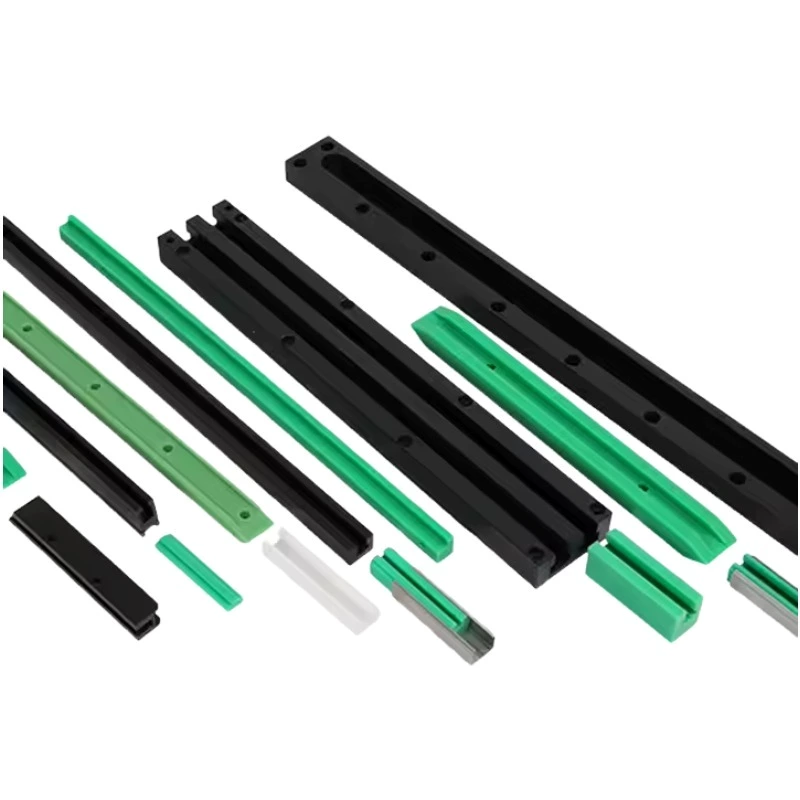
UHMWPE wear strips are available in various profiles designed to fit different conveyor structures.
Common profiles include:
Straight Wear Strips
Used for simple chain support and linear conveying applications.
T-Profile Wear Strips
Designed to fit into aluminum or stainless steel guide channels, providing secure installation and easy replacement.
C-Profile Wear Strips
Frequently used in side guide systems and chain guide assemblies.
Custom Machined Profiles
For specialized conveyor systems, custom-machined UHMWPE wear strips can be manufactured according to customer drawings or samples.
Selecting the correct profile ensures proper chain alignment and prevents premature wear.
Choose the Right UHMWPE Grade
Not all UHMWPE materials are the same.
Depending on the application, different grades may be required.
Virgin Natural UHMWPE
The most commonly used grade, offering excellent wear resistance and low friction.
Suitable for general industrial conveyor systems.
Food-Grade UHMWPE
Designed for direct or indirect food contact applications.
Widely used in food processing and beverage production lines.
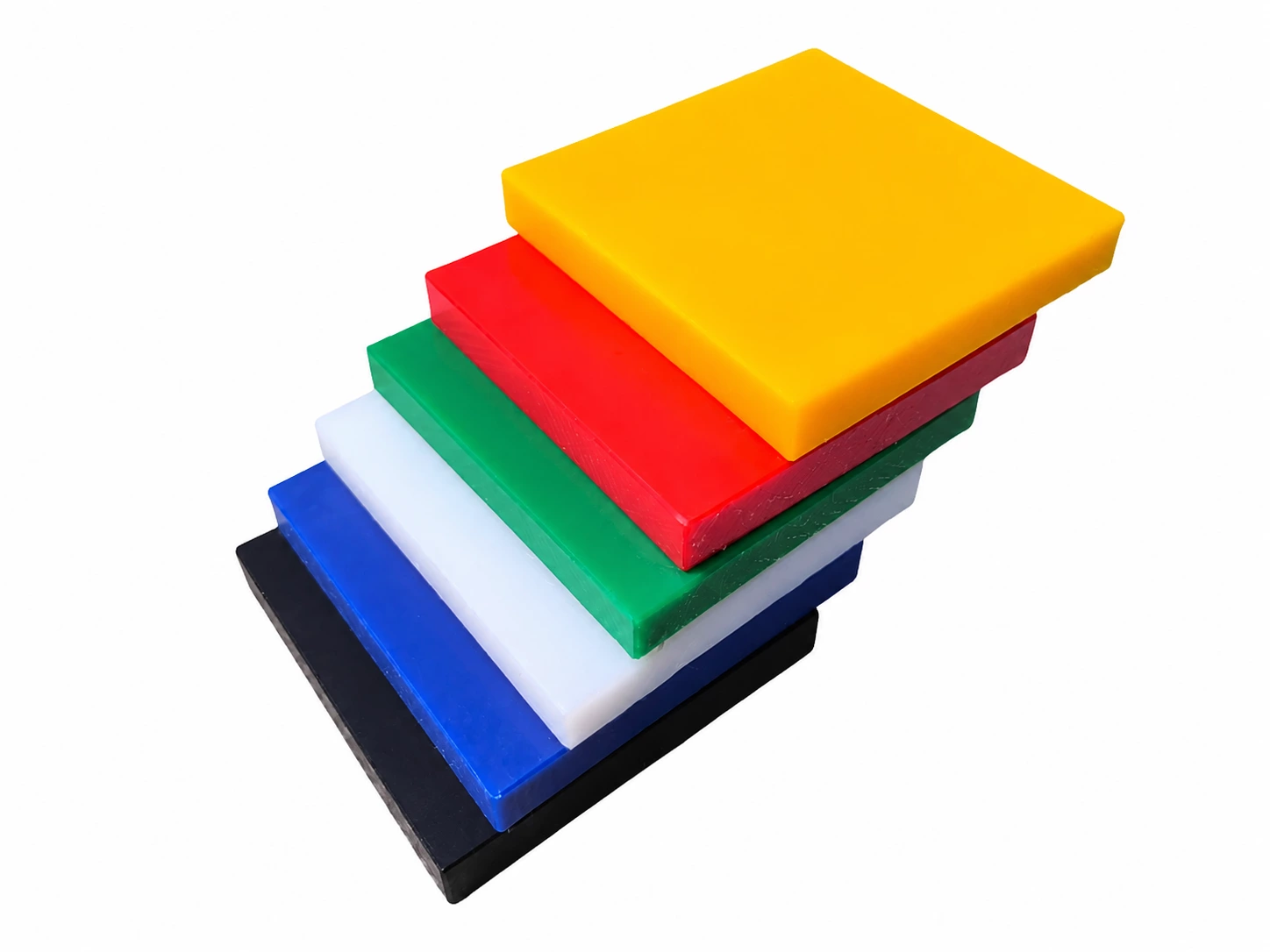
Colored UHMWPE
Available in green, blue, black, and other colors for equipment identification or industry-specific requirements.
Blue UHMWPE is particularly popular in food processing facilities because it is easily visible during inspection.
Anti-Static UHMWPE
Used in electronic manufacturing environments where static electricity must be controlled.
Evaluate Friction and Noise Reduction Requirements
One reason many manufacturers switch from metal guides to UHMWPE wear strips is noise reduction.
The naturally low coefficient of friction allows conveyor chains to move smoothly with less resistance.
Benefits include:
Reduced chain wear
Lower energy consumption
Less vibration
Quieter operation
For facilities focused on improving workplace conditions and equipment efficiency, low-friction UHMWPE wear strips can provide measurable advantages.
Consider Environmental Factors
The operating environment also affects wear strip performance.
UHMWPE performs exceptionally well in:
Wet environments
Corrosive conditions
Chemical exposure
Washdown areas
Unlike metal components, UHMWPE does not rust or corrode.
For food, beverage, pharmaceutical, and chemical industries, this resistance helps maintain long-term reliability and cleanliness.
Pay Attention to Dimensional Accuracy
Even the highest-quality material can perform poorly if dimensional tolerances are inaccurate.
Properly manufactured wear strips should provide:
Consistent thickness
Accurate profile dimensions
Smooth surface finish
Reliable installation fit
Precision manufacturing helps ensure even load distribution and minimizes unnecessary chain wear.
When sourcing wear strips, work with an experienced manufacturer capable of maintaining tight machining tolerances and consistent product quality.
Custom Solutions for Specialized Applications
Many conveyor systems use non-standard designs that require customized wear strips.
Custom UHMWPE wear strips can be produced based on:
Technical drawings
CAD files
Existing samples
Specific installation requirements
Custom machining allows engineers to optimize conveyor performance while ensuring compatibility with existing equipment.
Conclusion:
Choosing the right UHMWPE wear strip involves more than simply selecting a plastic guide component. Conveyor type, operating conditions, load requirements, profile design, material grade, and environmental factors all play important roles in determining long-term performance.
A properly selected UHMWPE wear strip can reduce friction, lower maintenance costs, extend conveyor life, and improve overall operational efficiency.
Whether you require standard wear strips or custom-machined UHMWPE components, working with an experienced manufacturer can help ensure you receive the most suitable solution for your conveyor application.